

A good AI animal story needs more than a long prompt. It needs a clear sequence, consistent reference images, one controlled action per shot, and editing that connects the separate clips. This tutorial shows the workflow used to create a sea turtle and crab rescue story with Gemini Omni.
Story disclosure: This is an AI-generated fictional rescue story, not footage of a real animal rescue or a guide to handling wildlife. The prompts illustrate filmmaking choices. Generated results can vary, and failed clips may need to be simplified or replaced.
The story structure
- A sea turtle finds a crab struggling on the beach.
- The turtle helps turn the crab upright.
- The turtle returns toward the ocean.
- The turtle becomes trapped in a discarded fishing net.
- The crab recognizes the turtle and goes for help.
- Several crabs cut the net strands.
- The freed turtle returns safely to the sea.
The most important Omni lesson
More words do not always create more control. Omni struggled when several crabs, the turtle, and the fishing net all had to move at the same time. The reliable solution was to simplify the shot: establish the group first, use a close-up for the cutting action, and animate one clear movement at a time.
Before using the prompts
- Use the matching reference image for each stage of the story.
- Keep the same beach, sunset lighting, turtle appearance, crab design, and realistic cinematic style.
- Generate one action per clip.
- If multiple characters disappear, establish the group in one shot and perform the difficult action in a separate close-up.
- For the final escape, use a new reference image showing the turtle already separated from the net.
Copyable Gemini Omni prompts
Each prompt controls one story beat. Copy it, attach the matching reference image, and adjust only the details needed for your own scene.
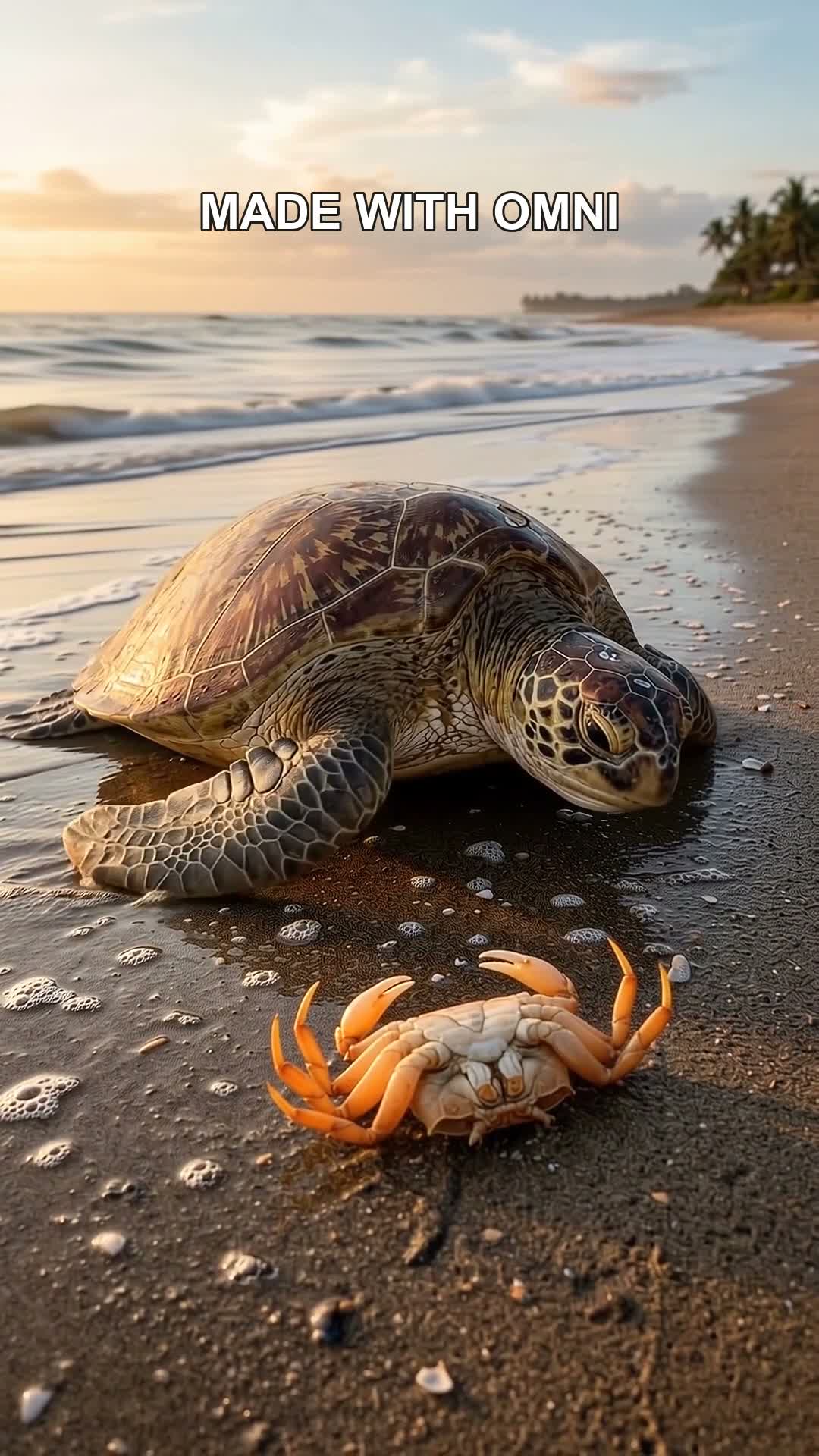
Prompt 1 — Turtle Approaches the Struggling Crab
Use the supplied beach reference image as the exact visual starting point. Preserve the same adult green sea turtle, the same orange ghost crab, wet sand, shoreline, palm trees, warm sunset light, realistic scale, and cinematic photographic style. The crab struggles on its back with small natural leg movements while remaining in the same location. The turtle slowly crawls toward the crab and lowers its head near the crab without biting or stepping on it. One continuous low-angle shot, gentle ocean waves in the background, realistic animal motion, stable camera, no new animals, no disappearing subjects, no text, no logos.
Prompt 2 — Turtle Flips the Crab Upright
Continue from the supplied reference image with the exact same turtle, crab, beach, shoreline, sunset lighting, and realistic cinematic style. The turtle gently places the front edge of one flipper beside the overturned crab and performs one slow controlled push. The crab rolls over once and lands upright on all of its legs. After the flip, both animals remain visible and still for a brief moment. Keep the action physically believable and centered in frame. Do not add animals, do not change the turtle or crab, do not make either subject disappear, no text, no logos.
Prompt 3 — Turtle Returns to the Ocean
Use the supplied reference image and preserve the same adult green sea turtle, beach, ocean, sunset, camera height, and photorealistic style. The turtle turns away from the crab and crawls slowly toward the water using natural alternating flipper movements. The crab stays upright behind the turtle and remains visible near its original position. A gentle wave reaches the turtle as it approaches the shoreline. Smooth continuous movement, stable low camera, no sudden speed changes, no new animals, no disappearing subjects, no text, no logos.
Prompt 4 — Turtle Trapped in the Fishing Net
Continue with the same adult green sea turtle established in the earlier shots. Show it on wet sand with a green fishing net visibly wrapped around its shell and front flippers. Preserve the beach, shoreline, sunset lighting, and realistic photographic style. A shallow wave washes around the turtle and pulls back toward the ocean. The turtle makes one restrained attempt to crawl forward, but the net remains visibly wrapped around the shell and front flippers and prevents movement. Keep the turtle in the same position and show only natural breathing, head movement, and limited flipper motion. Do not remove the net, do not duplicate the turtle, no people, no text, no logos.
Prompt 5 — Crab Finds Help
Use the same orange ghost crab established in the opening beach scene. Preserve the beach surface, warm sunset light, realistic scale, and cinematic photographic style. The single crab turns away from the trapped turtle and scuttles quickly across the sand toward a nearby group of three matching crabs. The moving crab reaches the group and stops beside them. Keep every crab fully visible after the group is established. Natural sideways crab movement, low tracking camera, one continuous action, no extra animals, no disappearing crabs, no text, no logos.
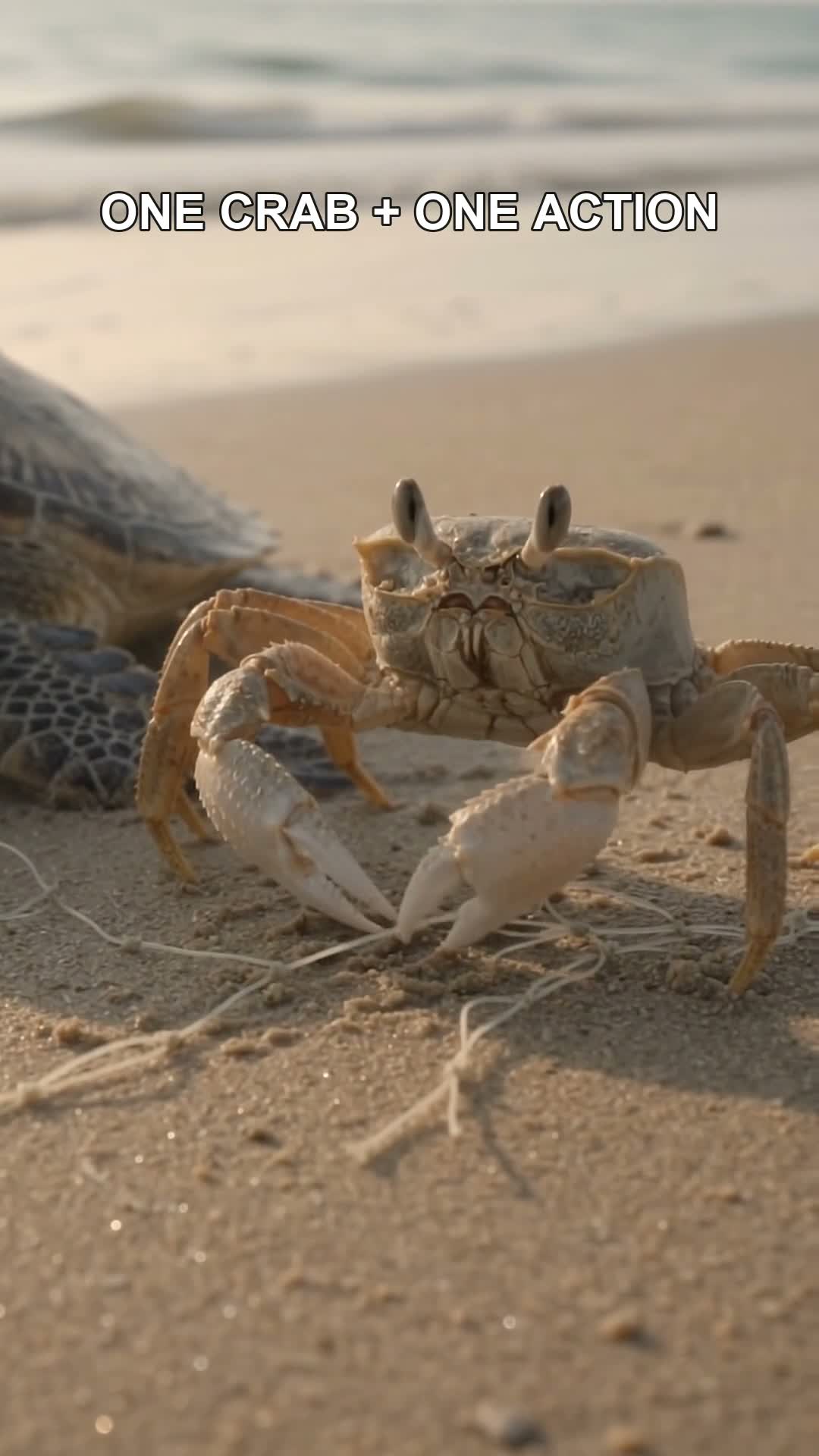
Prompt 6 — Close-Up of One Crab Cutting the Net
Use the supplied close-up reference image as the exact visual starting point. Preserve the same crab claw, the same green fishing-net strand, wet sand, warm sunset light, realistic texture, and shallow depth of field. Show one crab claw gripping one taut strand of the net. The claw closes once and cleanly cuts that single strand. The severed ends separate visibly and fall onto the sand. Keep the camera locked on the claw and strand. Only one crab performs the action. No turtle movement in this close-up, no extra claws, no regenerated net, no text, no logos.
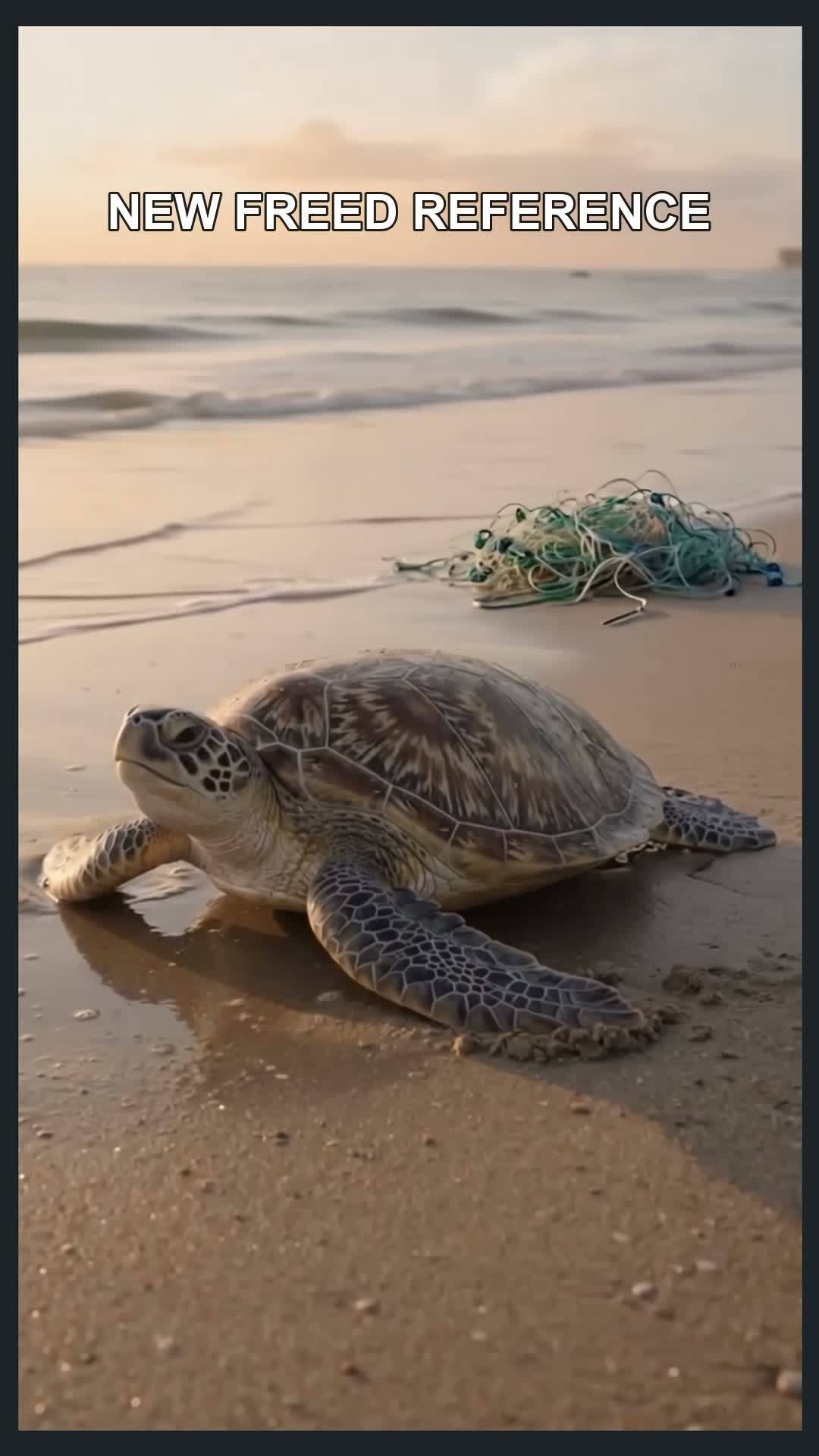
Prompt 7 — Freed Turtle Returns to the Sea
Use the supplied freed-turtle reference as the exact first frame. The turtle is already completely separated from the fishing net, and the loose net remains in a pile on the sand behind it. Preserve the same turtle, beach, shoreline, sunset lighting, and realistic photographic style. The turtle crawls steadily toward the ocean with natural alternating flipper movements. A gentle wave reaches the turtle and helps it enter the water. The net stays behind on the beach and never reconnects to the turtle. Smooth continuous motion, low cinematic camera, no new animals, no disappearing turtle, no text, no logos.
Why the first crab-rescue attempts failed
Trying to make four crabs approach, stay visible, cut different strands, and free the turtle in one generation gave Omni too many moving subjects and relationships to preserve. Some crabs disappeared, the group changed, or the net stayed attached.
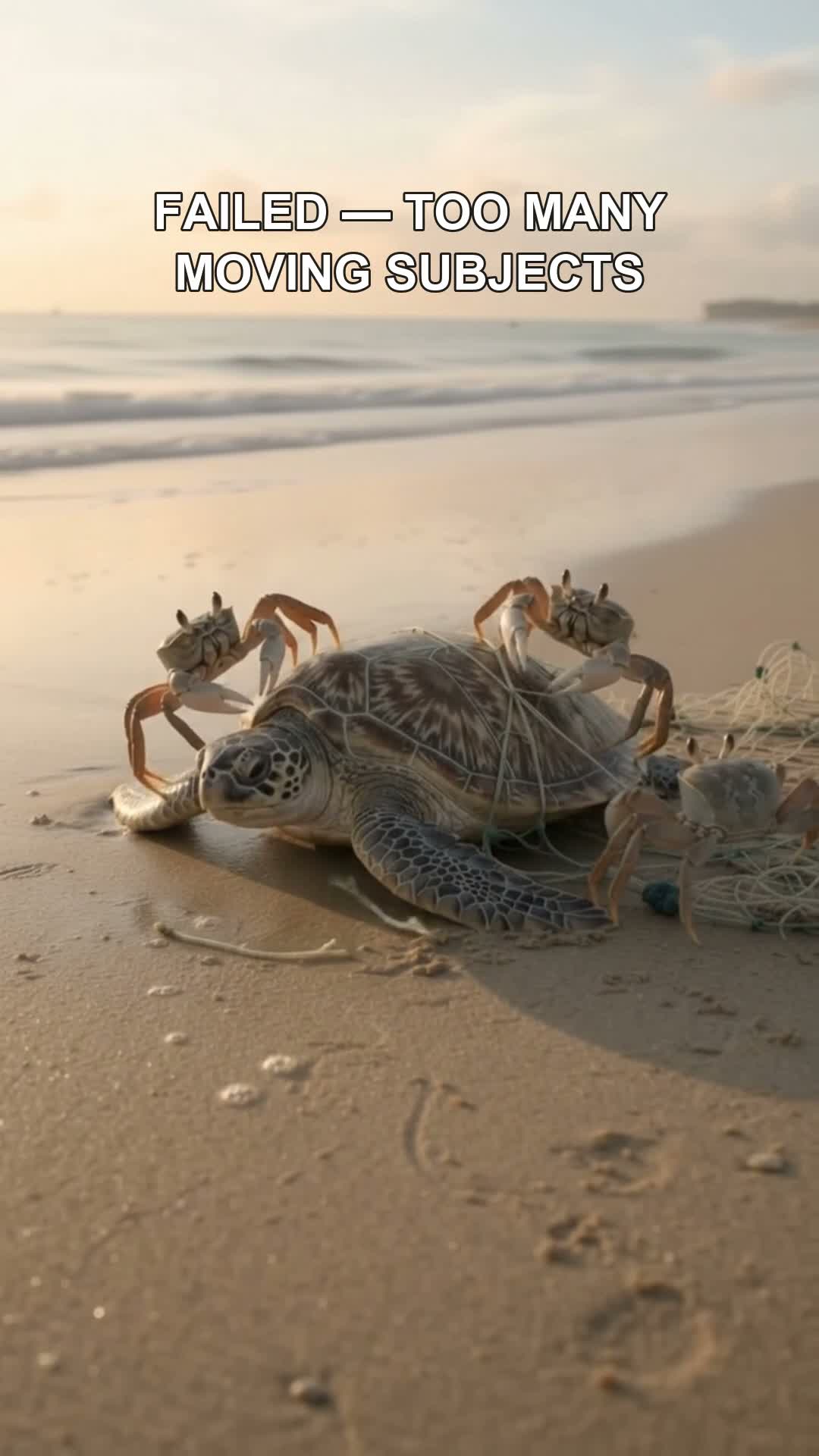
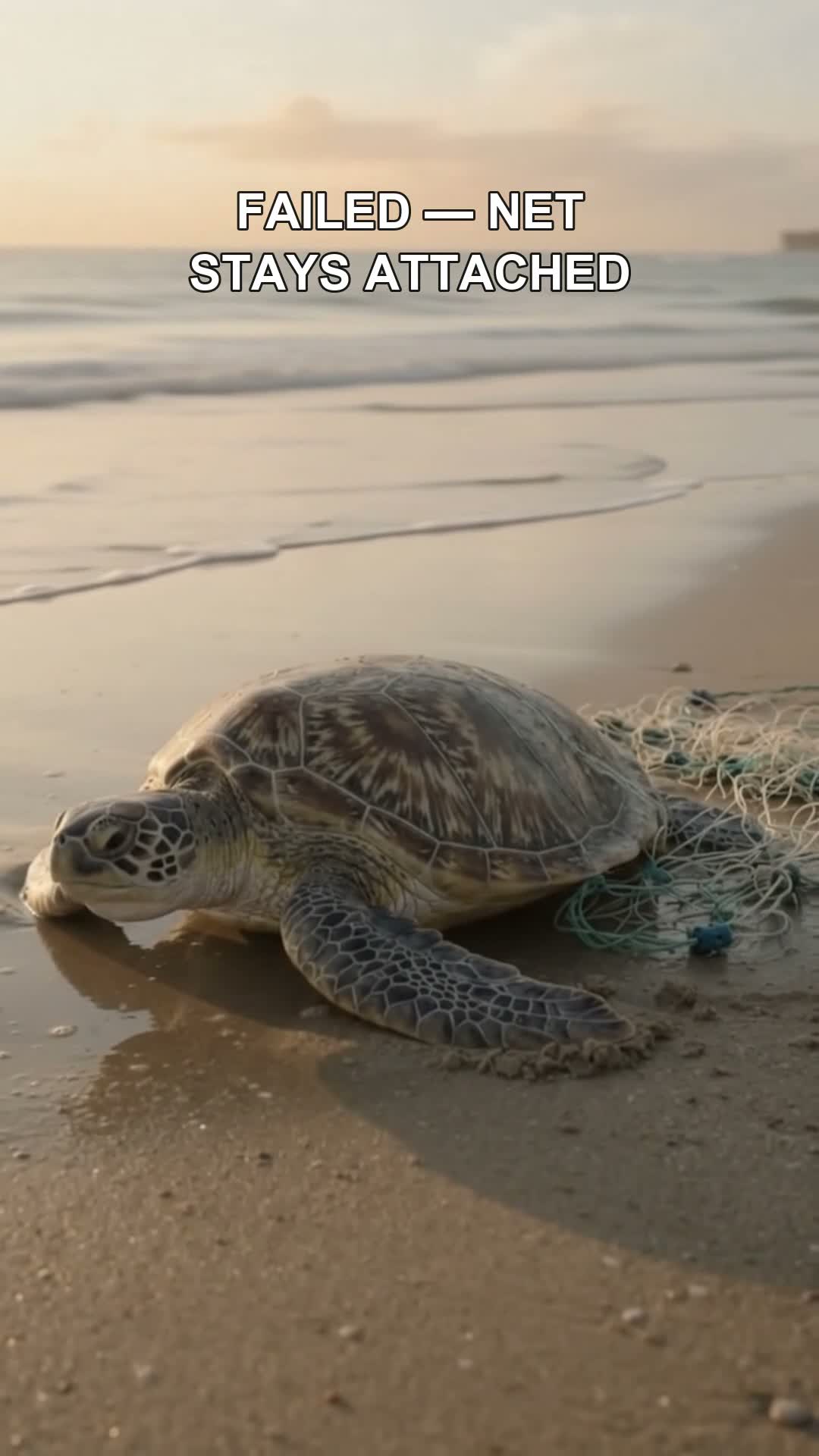
A more reliable approach is to divide the event into separate shots: establish the group, isolate the cutting action in a close-up, switch to the freed-turtle reference, and connect the clips in the edit.
Editing the final story
- Cut the dead time before and after each useful action.
- Use continuous beach ambience to make separate generations feel connected.
- Add subtle net-cutting and wave sounds without overpowering the scene.
- Hold briefly after the rescue so the emotional moment can breathe.
- End with the turtle reaching the water, completing the favor-returned story.
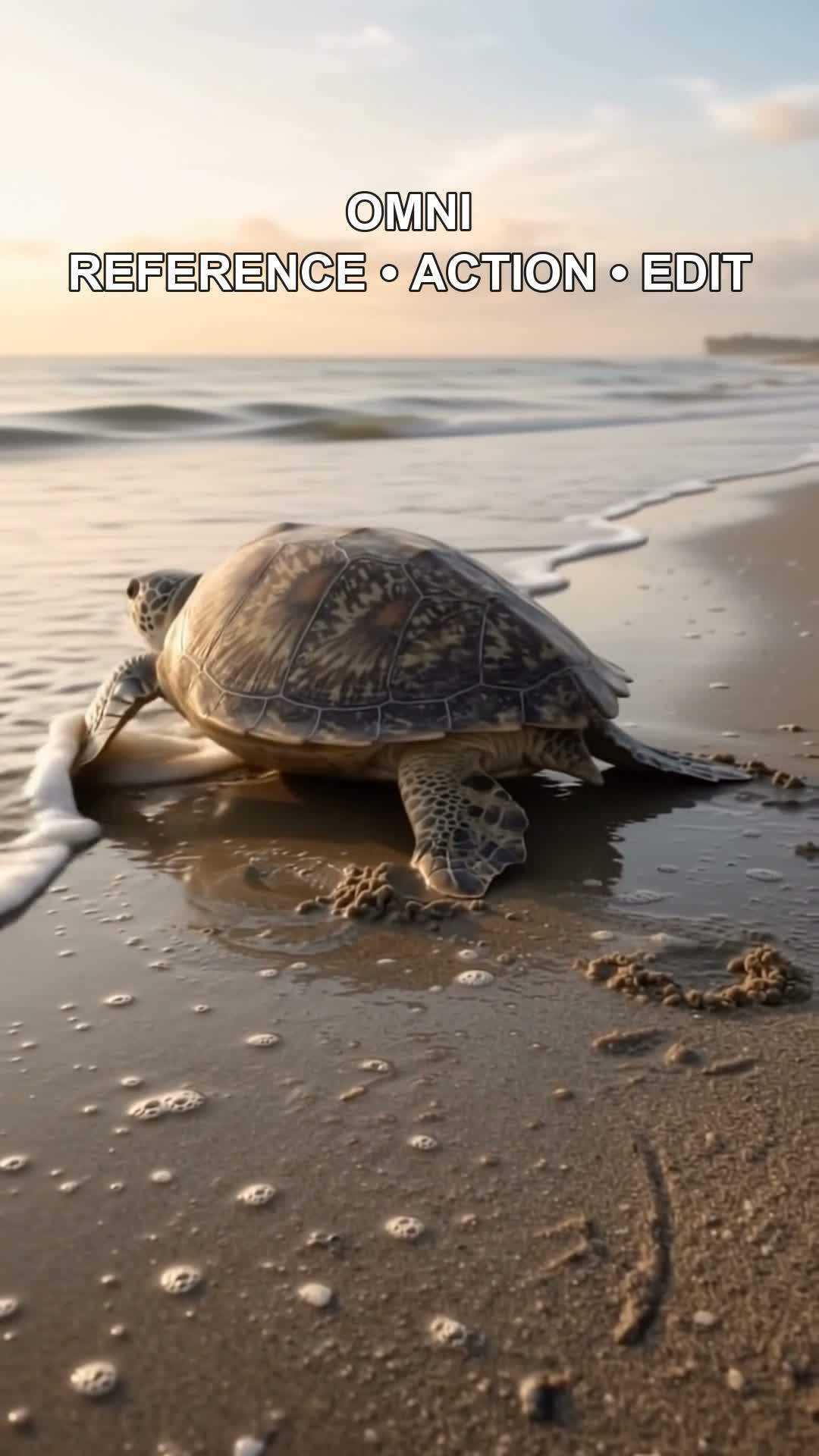
The workflow works best when each shot has one clear action: build the story in small generations, keep the characters consistent with reference images, and review each result before moving to the next shot.